
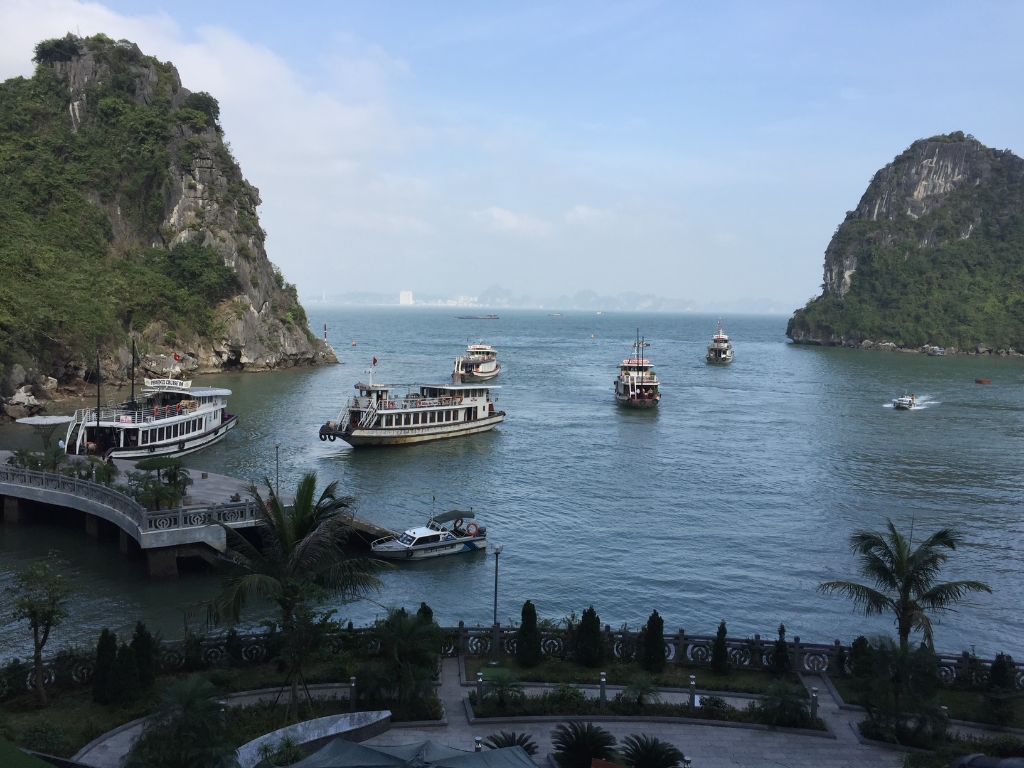
HANOI – Vietnam is poised to welcome about 21 million international visitors in 2025, a new high that would exceed the country’s 2019 pre-pandemic record of 18 million and cap one of Southeast Asia’s sharpest tourism rebounds.
The surge has been visible not only in official tallies but also in symbolism: Phu Quoc—the island marketed as a sun-and-sea alternative to Thailand’s better-known resorts—hosted ceremonies this month marking the year’s 20 millionth visitor, an event described by Vietnamese state outlets as a milestone in the sector’s modern development.
Behind the headline figure is a steady drumbeat of monthly gains. Vietnam’s tourism authority reported nearly 2 million international visitors in November alone, and more than 19.1 million in the first 11 months—a pace that makes the record-year projection plausible even before the peak holiday travel period.
Where visitors are coming from, and why the mix matters
The biggest flows have come from East and Northeast Asia, led by China and South Korea, with Taiwan, the United States and Japan also among major sources—an increasingly diversified mix that reduces reliance on any single market while keeping Vietnam’s airline seat maps full.
Officials and analysts in Vietnam have pointed to policy and connectivity as accelerants: looser visa rules, wider use of e-visas, and expanded air links. Vietnam’s official tourism portal highlights the 90-day e-visa and 45-day stays for unilateral visa-exempt nationalities, changes that have made the country easier to sell in competitive long-haul markets.
The contradiction: growth through environmental disruption
The record pace has arrived alongside two problems that travelers can see and feel.
Air pollution in Hanoi has surged repeatedly this month. Independent air-quality trackers have placed the capital among the world’s most polluted cities on some days, with readings characterized as “very unhealthy,” while Reuters reported Vietnamese authorities urging factories to curb output during smog episodes.
And in the center of the country, flooding has periodically swallowed postcard destinations—Hue’s imperial sites and Hoi An’s lantern-lit old town among them—forcing evacuations and lengthy cleanups even as hotels raced to reopen for the high season.
In other words, Vietnam’s tourism story in 2025 has been less a pristine “return to normal” than a test of whether demand can outrun disruption. So far, it has.
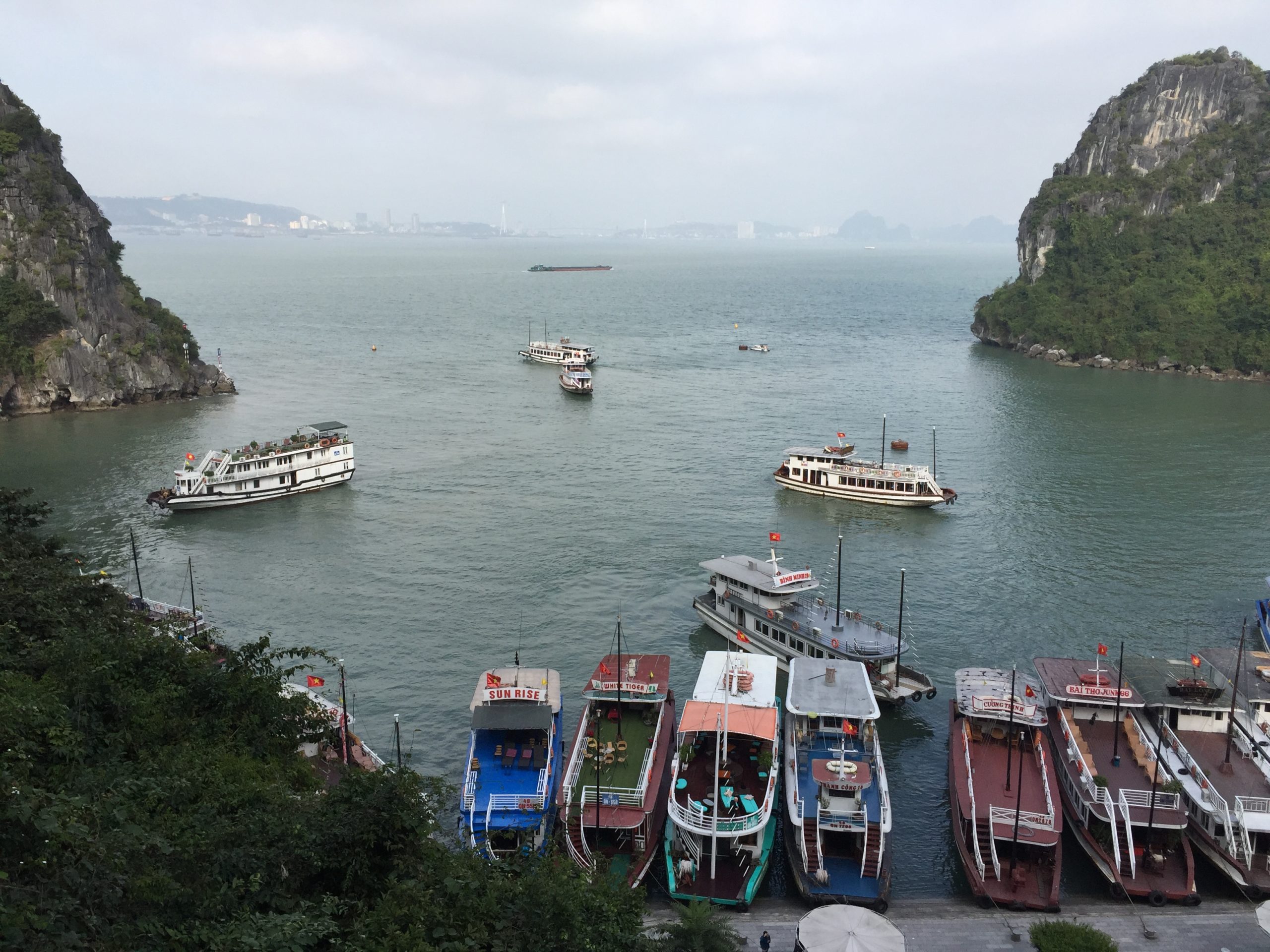
Foto: Halong Bay (AT/hz)
What the boom means for the economy and for MICE
Tourism’s growth is not just a vanity statistic. For Vietnam’s services economy, international visitors translate quickly into hotel occupancy, domestic flights, restaurant receipts, tour operations, and a long tail of small businesses—the motorbikes-for-hire, family-run guesthouses and souvenir stalls that anchor livelihoods in historic towns and beach corridors.
The stronger headline numbers also help Vietnam’s MICE ambitions (meetings, incentives, conferences and exhibitions): higher destination visibility and more consistent airlift can widen bidding pipelines, particularly for regional corporate travel and association events.
But the environmental realities also raise the bar. For planners, “resilience” is no longer a buzzword—it is operational: contingency routing during storms, indoor-program options when outdoor air turns hazardous, and clearer traveler communications when floods interrupt the romance of a riverside promenade.
A regional rebound, with Vietnam among the standouts
Vietnam’s record year is part of a broader travel recovery across Asia-Pacific. UN Tourism has reported continuing gains in the region in 2025, and industry groups have described inbound volumes approaching pre-pandemic levels in many destinations—though the pace varies widely by market and season.
What makes Vietnam’s performance notable is the combination of price competitiveness, natural and cultural variety, and a fast-restored aviation and hospitality machine—all achieved while grappling with climate and pollution risks that are increasingly common across the region.
In 2026 and beyond, Vietnam’s challenge may be less about attracting the next visitor than about managing what the next visitor will demand: cleaner air, safer streets after storms, and destinations that can absorb popularity without losing the qualities that made them desirable in the first place. (hz)