
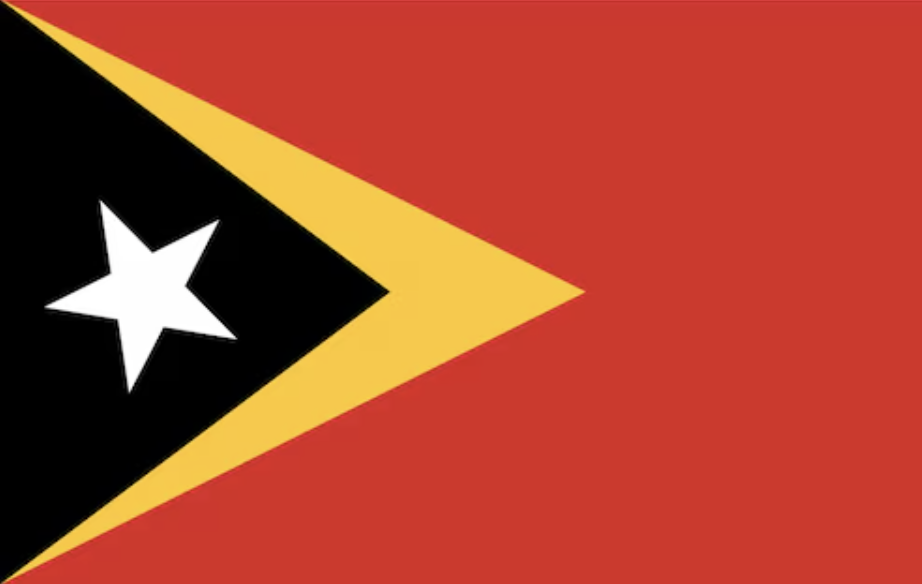
JAKARTA – When the leaders of Southeast Asia gathered in Phnom Penh in November 2022, they made a decision that had been years in the making and heavy with symbolism. The Association of Southeast Asian Nations, known as ASEAN, agreed in principle to admit Timor-Leste as its 11th member — the first expansion of the bloc since Cambodia joined in 1999.
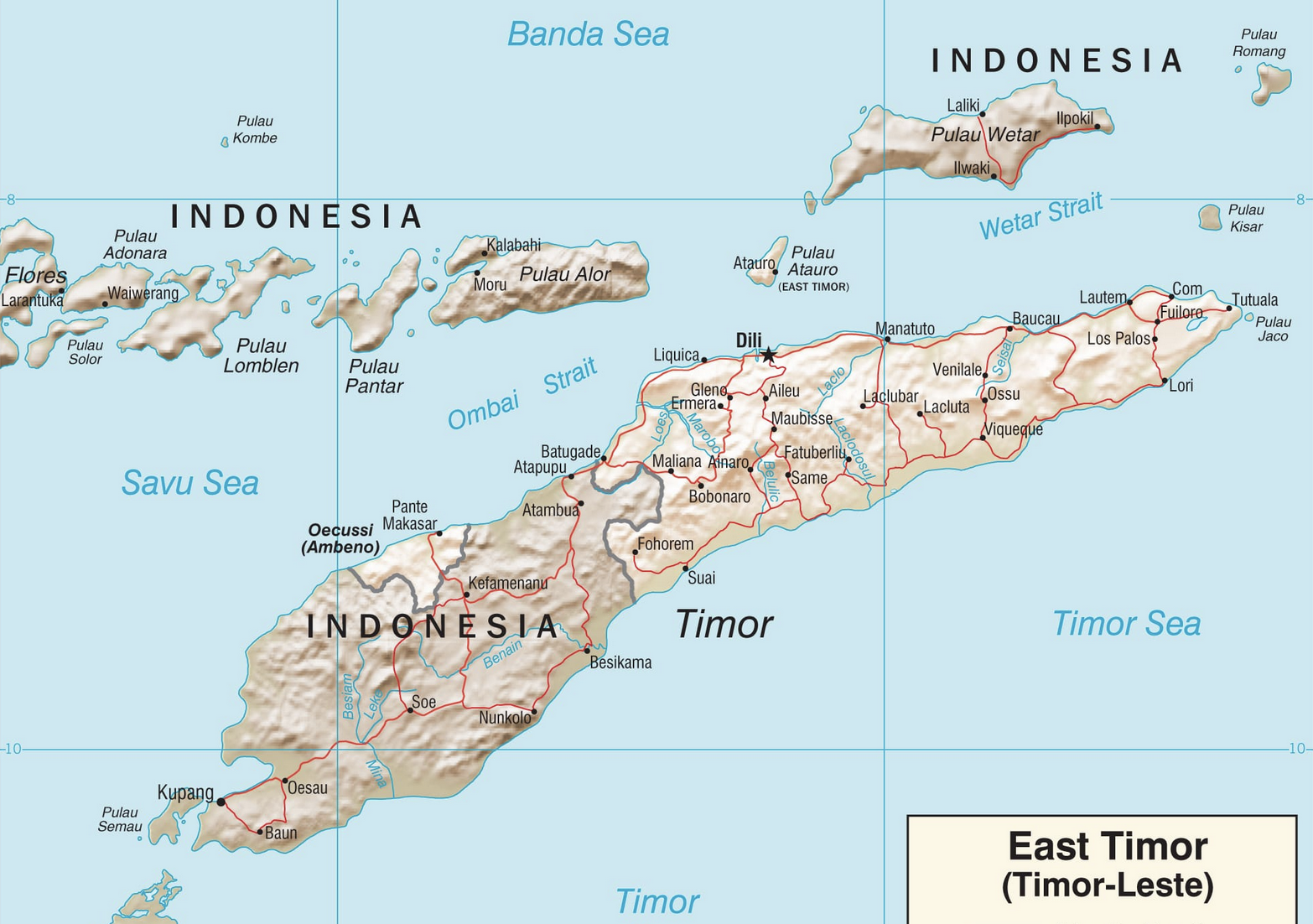
For Timor-Leste, a small, mountainous nation of 1.3 million people at the eastern edge of the Indonesian archipelago, the decision marked the culmination of a long quest for regional belonging. For ASEAN, it was a test of its founding promise: that gradual integration, consensus and mutual respect can knit together countries of vastly different sizes, histories and political systems.
From Independence to Accession
Timor-Leste’s path to ASEAN membership began almost as soon as it became a sovereign state. After a UN-supervised referendum in 1999 ended a quarter-century of Indonesian rule, the country formally restored its independence in 2002. That same year, its first president, Xanana Gusmão, signaled that regional integration would be a strategic priority.
ASEAN, founded in 1967 by five Southeast Asian states seeking stability during the Cold War, had by then grown into a ten-member bloc spanning mainland and maritime Southeast Asia. Timor-Leste applied for membership in 2011, arguing that its geography, culture and security interests placed it squarely within the ASEAN family.
Yet accession proved slow. ASEAN’s cautious, consensus-based decision-making — often described as the “ASEAN Way” — meant that every member had to be satisfied that Timor-Leste could meet the organization’s obligations, from attending hundreds of annual meetings to implementing complex trade and regulatory frameworks.
The Decision in Phnom Penh
The breakthrough came at the 40th and 41st ASEAN Summits in November 2022, hosted by Cambodia. Under the chairmanship of Prime Minister Hun Sen, ASEAN leaders agreed to grant Timor-Leste “observer status” and accepted it “in principle” as the bloc’s 11th member.
The decision was endorsed by all ten leaders, including Indonesia’s then president Joko Widodo, whose country had once occupied Timor-Leste but later became one of its strongest advocates within ASEAN. Indonesia’s diplomatic support proved decisive, reflecting a broader effort to normalize and strengthen ties after a painful shared history.
Under the agreed roadmap, Timor-Leste would participate in ASEAN meetings as an observer while working toward full compliance with the organization’s three pillars: the Political-Security Community, the Economic Community, and the Socio-Cultural Community.
Becoming the 11th Member
In formal terms, Timor-Leste’s status as ASEAN’s 11th member is being realized through a staged accession process rather than a single accession treaty. The Phnom Penh decision set in motion a series of capacity-building programs, technical assessments and timelines tailored to Timor-Leste’s developmental needs.
ASEAN members committed to providing assistance — from training diplomats and civil servants to supporting customs modernization and legal harmonization. The goal, ASEAN officials have said, is not speed for its own sake, but “meaningful and sustainable integration.”
Timor-Leste’s government, for its part, established a dedicated ASEAN Accession Secretariat in Dili, coordinating reforms across ministries. English has been strengthened as a working language alongside Portuguese and Tetum, and investments have been made to expand the country’s permanent mission to ASEAN in Jakarta.
The Work of Integration
Full integration will require Timor-Leste to accede to dozens of ASEAN agreements, including those governing trade in goods and services, investment, aviation, and dispute settlement. Economically, this means aligning tariffs with the ASEAN Free Trade Area and preparing domestic industries for increased competition.
For a country whose economy remains heavily dependent on offshore petroleum revenues, ASEAN integration is seen as both an opportunity and a challenge. Access to a combined market of more than 650 million people could attract investment and diversify growth, but only if infrastructure, education and governance keep pace.
Politically and diplomatically, Timor-Leste has already begun to play a more visible role. Its leaders regularly attend ASEAN-related summits, and its diplomats are embedded in working groups ranging from disaster management to maritime cooperation.
A Bridge, Not a Burden
Within ASEAN, Timor-Leste is often described as a potential “bridge” — between mainland and maritime Southeast Asia, between developed and least-developed members, and between ASEAN and its external partners.
With strong ties to Australia, the European Union and the Community of Portuguese Language Countries, Timor-Leste brings a network of relationships that could widen ASEAN’s diplomatic reach. Its experience with UN peacekeeping and post-conflict reconciliation also gives it moral authority in discussions on conflict resolution and human security.
At the same time, ASEAN officials are careful to stress that Timor-Leste is not joining as a passive recipient of aid. “Every member contributes in its own way,” one senior diplomat said. “ASEAN’s strength has always been its diversity.”
Introducing Timor-Leste to ASEAN — and the World
For many outside the region, Timor-Leste remains little known: a rugged land of coffee growers and coral reefs, Catholic churches and animist traditions, shaped by centuries of Portuguese rule and a hard-won struggle for self-determination.
Its entry into ASEAN is, in part, an introduction — a chance for the country to tell its story on a larger stage and for the region to absorb a new voice shaped by resilience and pragmatism.
As ASEAN itself grapples with geopolitical rivalry, economic fragmentation and questions about its own cohesion, the accession of Timor-Leste serves as a quiet reaffirmation of the bloc’s founding idea: that Southeast Asia’s future is best secured not alone, but together.
If the road to membership was long, the road ahead may be longer still. But for Timor-Leste and ASEAN alike, the decision to walk it together may prove one of the region’s most consequential choices in a generation. (zai)