
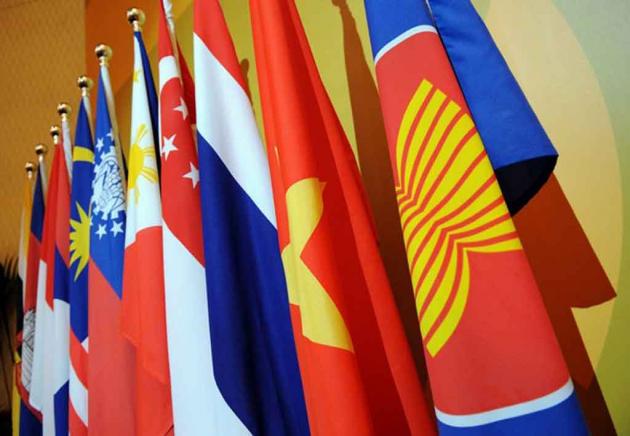
CEBU – At a meeting of tourism officials in Cebu City, ASEAN formally introduced its Tourism Sectoral Plan for 2026–2030, a five-year roadmap designed to steer the region’s visitor economy away from post-pandemic repair and toward what officials described as a more resilient, technology-driven future. Unveiled alongside ministerial discussions at the ASEAN Tourism Forum, the plan places new emphasis on smoother cross-border travel, common sustainability standards and a more skilled tourism workforce — priorities that reflect mounting pressure on Southeast Asia to attract higher-spending travelers while contending with climate risks and geopolitical uncertainty.
Five priorities shaped by crisis
Domestic and regional reporting described the plan’s core pillars as a direct response to the disruptions of the past decade. The framework centers on strengthening crisis preparedness, upgrading tourism jobs and skills, improving accessibility and connectivity across borders, accelerating digital innovation, and embedding sustainability practices that protect local communities and natural assets. Philippine media framed the agenda as both an economic strategy and a branding exercise, highlighting government efforts to position the country — and the wider region — for “higher-quality” tourism, including better air and sea links and a stronger focus on culinary tourism.
Jobs, investment and regional mobility
Philippine officials cast the initiative as a jobs-and-investment play, emphasizing its potential to keep visitors circulating across multiple destinations rather than limiting trips to single countries. Government-linked statements around the Cebu meetings presented the plan as a tool for regional transformation, renewing a long-standing ASEAN ambition to make multi-country travel easier — an effort that has historically been constrained by uneven infrastructure, fragmented standards and inconsistent visitor information systems.
From volume to value
International trade and travel publications largely echoed that framing, portraying the rollout as a pivot away from headline visitor numbers and toward value-driven growth. Regional outlets such as TTG Asia characterized the plan as a move from recovery to long-term transformation, while Philippine coverage stressed its familiar focus on connectivity and visitor experience — now reinforced with sharper language on digitalization and resilience as ASEAN seeks to future-proof one of its most important economic sectors. (hz)