
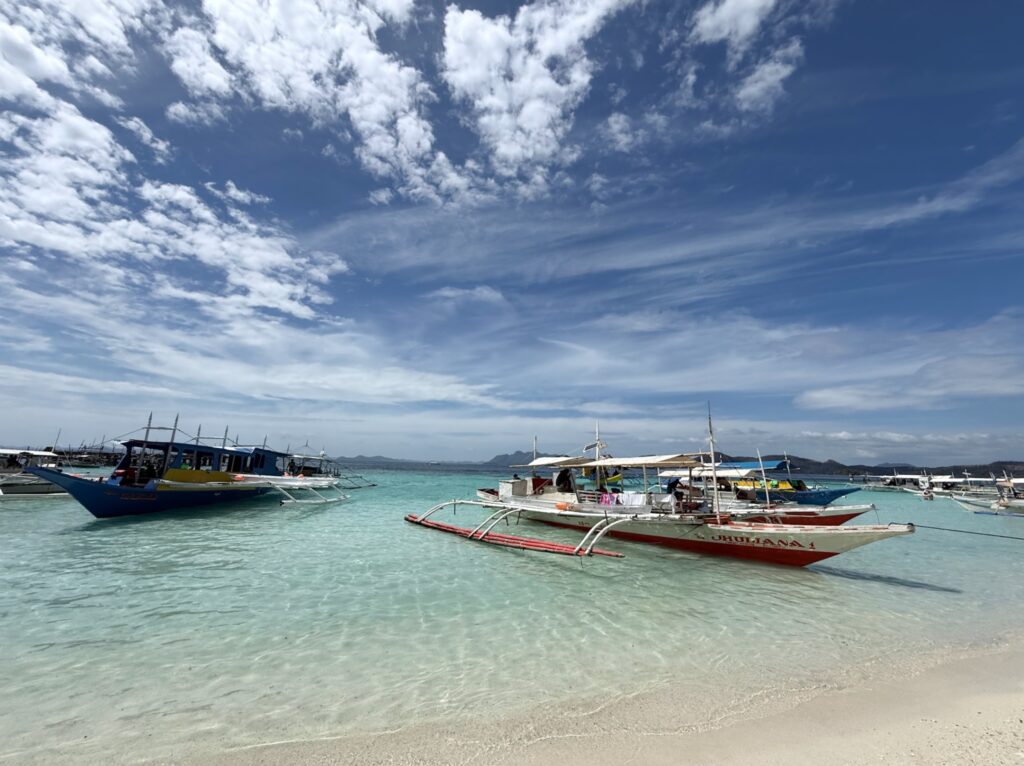
CORON ISLAND, Philippines – At first glance, Coron appears almost mythic: limestone karsts erupting from aquamarine seas, hidden lakes perched high in jungle basins, and coral gardens teeming with life beneath glassy water. Yet over six days on this northern edge of Palawan, I discovered that Coron is not merely a postcard of tropical perfection. It is also a quietly evolving symbol of how the Philippines is shaping the next chapter of its tourism industry.
Once a remote fishing outpost known mainly to divers in search of World War II shipwrecks, Coron has transformed into one of the archipelago’s most prized destinations. And yet it remains, in many ways, at the frontier — balancing development with conservation, accessibility with authenticity.
A Comfortable Base in a Growing Town

My base for the week was Coron Westown Resort, a comfortable property just outside Coron Town proper. Its spacious rooms open onto private balconies, many overlooking a broad swimming pool framed by palm trees. The pool area doubles as a social hub, with an outdoor restaurant serving Filipino staples — grilled seafood, adobo, fresh mango shakes — beneath open skies.
The resort reflects Coron’s new hospitality model: comfortable without being ostentatious, family-friendly yet well-suited to international travelers. Beyond the pool, fitness facilities and a spa cater to guests returning from saltwater expeditions, their shoulders tender from snorkeling or diving.
Over the past decade, hotels like Coron Westown have multiplied, spurred by better air links to Busuanga Airport and the Philippine government’s push to decentralize tourism beyond Boracay and Cebu. Coron’s appeal lies in its natural drama — and in its promise of discovery.
Faith, Factories and 721 Steps to the Sky
Coron Town itself is modest: tricycle-clogged streets, small eateries, dive shops and souvenir stalls. But it reveals the human story behind the paradise imagery.
At the San Agustin Parish Church, morning Mass draws families from across the island. The church stands as a quiet center of community life in a town reshaped by tourism but anchored in tradition.

Nearby, a small cashew processing facility offers insight into Coron’s pre-tourism economy. Palawan is known for its cashew production, and watching workers shell and roast the nuts by hand is a reminder that agriculture and fishing still underpin local livelihoods. Tourism has not replaced these sectors; rather, it supplements them.
The most physically demanding introduction to Coron is the ascent of Mount Tapyas View Deck. The 721 steps climb steeply through scrub and forest to a hilltop cross. At sunset, the reward is panoramic: Coron Bay stretching outward in every direction, limestone islets scattered like shards of green marble across the water. It is here that one grasps Coron’s geography — a labyrinth of islands and coves that would define the days ahead.
Hot Springs and New Hospitality

As dusk falls, visitors drift toward Maquinit Hot Springs, one of the few saltwater hot springs in Southeast Asia. Tucked amid mangroves, the springs maintain temperatures around 38–40°C (100–104°F). After a day in the sea, the mineral-rich water feels restorative, a natural spa that predates any hotel facility.
Further along the road, I visited TAG Resort Coron, a more recent addition to the island’s hospitality landscape. With its expansive pool and contemporary design, TAG represents Coron’s gradual move toward upscale tourism. Such developments reflect a broader strategy by the Philippine Department of Tourism to position Palawan — repeatedly ranked among the world’s best islands — as a premium eco-destination.
Yet Coron’s challenge is scale. Infrastructure must keep pace with popularity without overwhelming fragile ecosystems.
Diving into History at Busuanga Bay
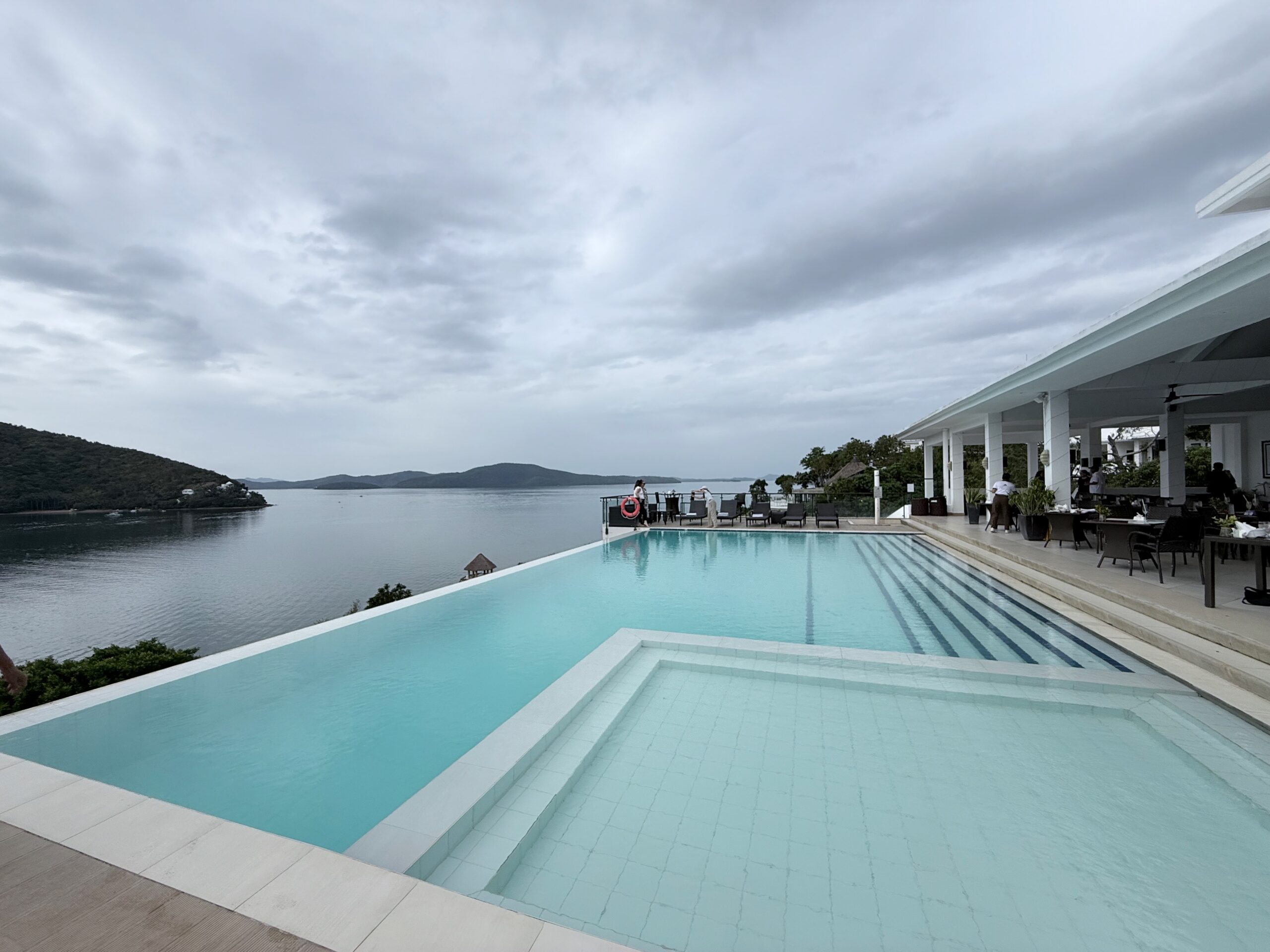
A drive across Busuanga Island leads to Busuanga Bay Lodge, where hillside lodges gaze out over a tranquil bay. Here, the mood is serene and intimate. The property has become synonymous with diving — the activity that first put Coron on the international map.
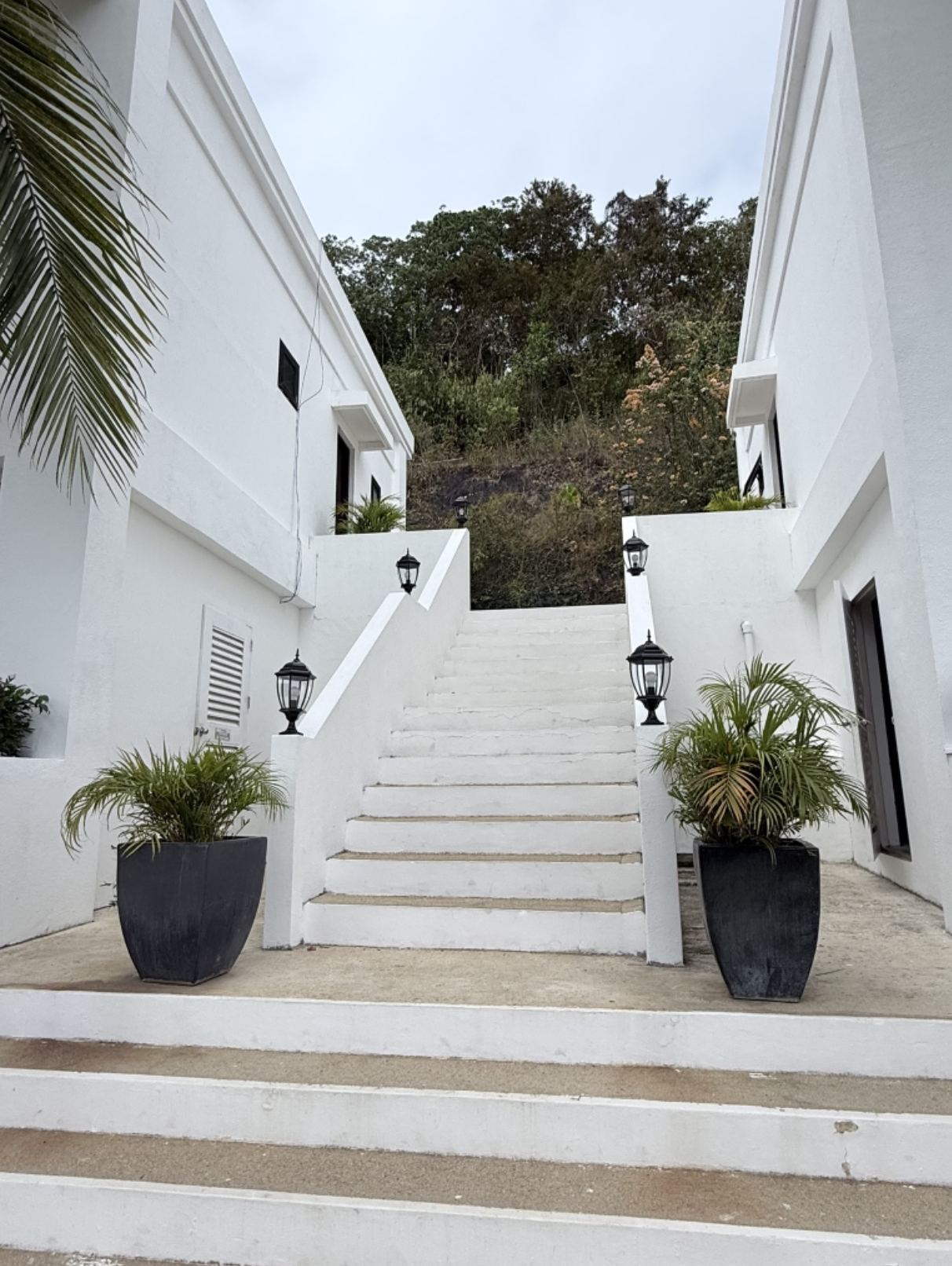
In September 1944, American forces sank a fleet of Japanese supply ships anchored in Coron Bay. Today, those wrecks lie preserved beneath the surface, some at recreational diving depths. Sites like the Okikawa Maru and the Irako Maru have turned Coron into one of the world’s premier wreck-diving destinations.

Busuanga Bay Lodge offers dive certification courses and guided expeditions. Descending through blue water toward the shadowed hull of a wartime vessel is an encounter with history as much as marine life. Soft corals now coat steel decks; fish dart through cargo holds once filled with ammunition. Tourism here intertwines remembrance and recreation.
Black Island and the Quiet Edges of Busuanga
On another day, I traveled to La Estancia Busuanga, a boutique retreat emphasizing privacy and nature. From there, a boat carried us to Black Island, named for its dark limestone cliffs.
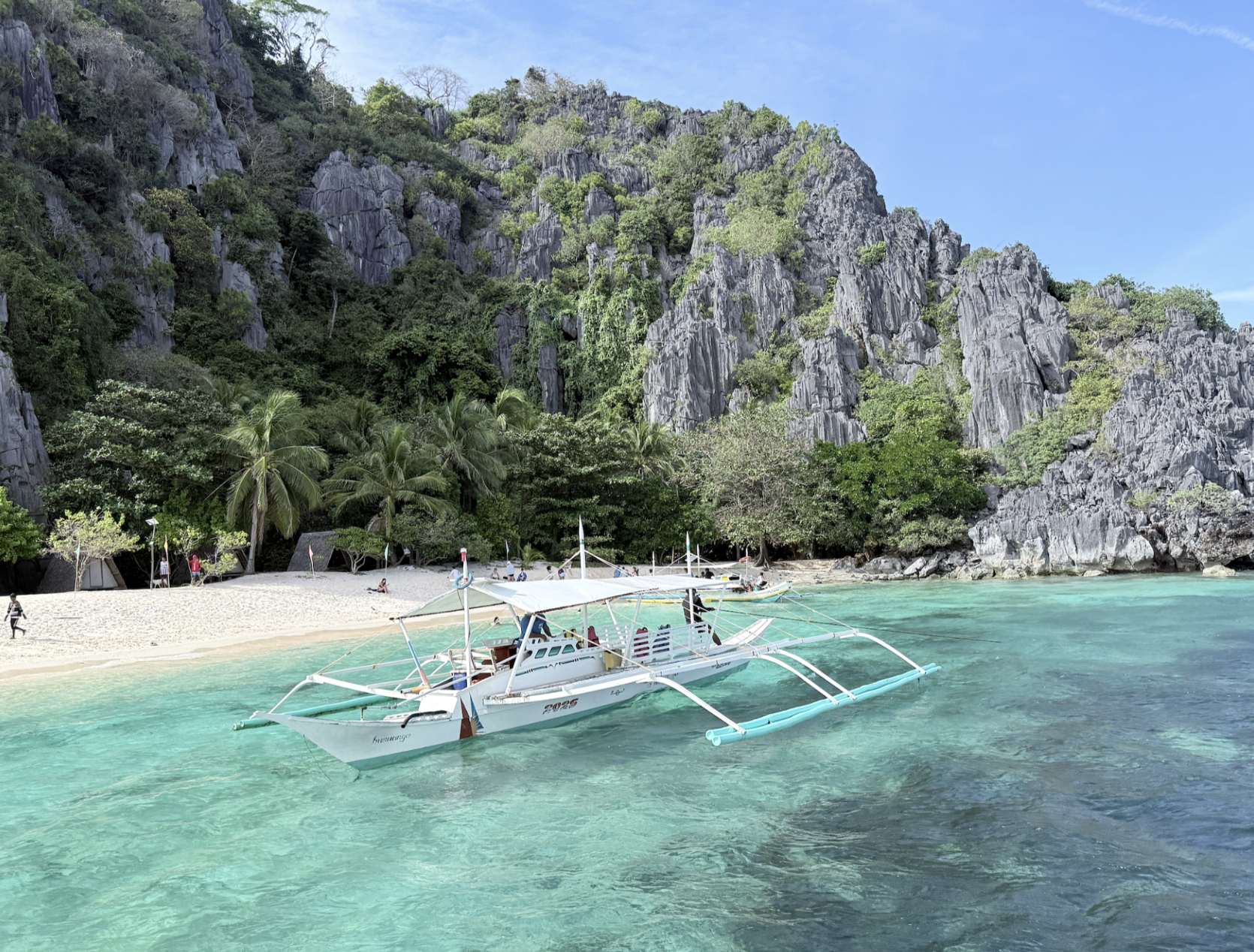
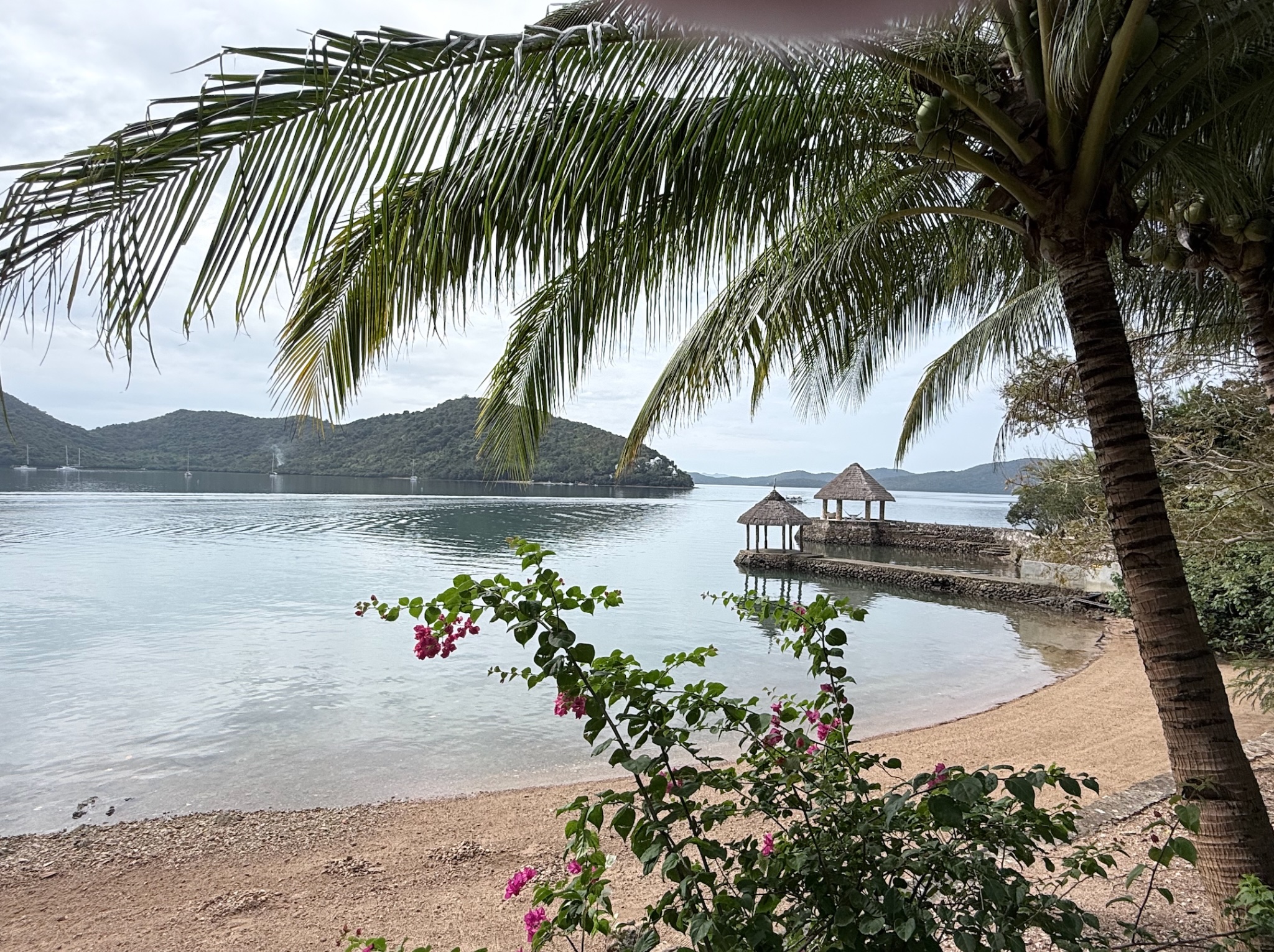
Black Island feels like a secret. A yawning cave opens at the base of the rock face, cool and echoing. Outside, the water shimmers in shades of blue-green so vivid they appear digitally enhanced. Snorkeling reveals coral gardens and schools of reef fish, undisturbed compared with busier sites nearer Coron Town.
Experiences like this underscore Coron’s broader appeal: not only marquee attractions but also lesser-known corners that distribute tourism benefits across communities.
The Crown Jewels: Lakes, Lagoons and Living Reefs

The final day unfolded like a greatest-hits compilation of Coron’s natural wonders.
At Siete Pecados Marine Park, a cluster of seven small islets, snorkeling begins almost immediately upon entering the water. Coral heads teem with parrotfish, clownfish and angelfish. Local authorities limit visitor numbers and require life vests, a sign of increased management aimed at reef preservation.
Perhaps the most photographed spot in Palawan is Kayangan Lake. Reaching it requires a short but steep climb — 367 steps up and down across a saddle in the limestone. The iconic viewpoint reveals a jagged lagoon framed by cliffs; beyond lies the lake itself, a brackish body of startling clarity often described as the cleanest in Asia. Swimming here feels ceremonial, as if entering a natural cathedral.
Nearby, Barracuda Lake offers a different sensation. Known for its thermoclines — layers of water that shift dramatically in temperature — it draws freedivers and snorkelers intrigued by its otherworldly rock formations.
At Banul Beach, powdery sand invites a pause for lunch beneath nipa huts. Offshore, the Skeleton Wreck rests in shallow water, accessible even to snorkelers. Its ribs protrude like the remains of a leviathan, a tangible reminder of Coron’s wartime past.
The finale comes at Twin Lagoon, where two lagoons connect through a narrow crevice in the rock. At low tide, visitors swim through; at high tide, they climb a short ladder. Kayaking between towering limestone walls, with sunlight filtering onto turquoise water, is a fitting crescendo.
Coron’s Place in Philippine Tourism
Coron’s ascent mirrors the Philippines’ broader tourism ambitions. The country has long competed with Thailand and Indonesia for tropical travelers, yet its geography — 7,000-plus islands — offers diversity that few nations can match. Palawan, in particular, has become a flagship destination, consistently topping international travel rankings.
With improved airport facilities on Busuanga and stricter environmental regulations — including visitor caps at sensitive sites — Coron is attempting to avoid the overtourism pitfalls experienced elsewhere. The memory of Boracay’s temporary closure in 2018, prompted by environmental degradation, looms large in policy discussions.
Coron thus stands at a pivotal moment. It must preserve coral reefs, manage waste and ensure that local communities share in economic gains. The presence of family-run cashew factories alongside luxury lodges is not incidental; it represents the layered economy tourism now sustains.
During my stay at Coron Westown Resort, conversations with staff often turned to growth: more direct flights, more foreign guests, more employment opportunities. Yet there was also pride in Coron’s natural heritage — and awareness that it is finite.
On my final day, I returned to Mount Tapyas. As the sun slipped behind the karsts and boats traced faint wakes across the bay, the island’s trajectory felt both promising and precarious. Coron has become indispensable to the Philippine tourism portfolio — a showcase of ecological splendor and historical intrigue. But its future will depend on restraint as much as ambition.
For now, Coron remains a place where one can climb 721 steps for a sunset, descend into a wartime wreck, float in a brackish lake beneath cathedral-like cliffs — and retreat at night to a balcony overlooking a softly lit pool.
An island once defined by remoteness is now central to a nation’s tourism narrative. And after six days tracing its contours, it is easy to see why.
Photos: AT/hz, Diveworldwide