
JAKARTA – President Prabowo Subianto’s administration is pressing to complete tariff negotiations with the United States by the end of 2025, portraying the talks as both an economic priority and a test of Indonesia’s trade diplomacy at a moment of widening uncertainty in global commerce.
Indonesian officials have argued that the negotiation—built on a framework announced earlier this year—could help protect export competitiveness in core sectors like textiles, footwear and other labor-intensive manufacturing, while improving market access and lifting investor confidence. Government statements have emphasized cross-ministry coordination, with the coordinating economic minister, Airlangga Hartarto, cast as the point person in stabilizing a process that has periodically appeared to wobble.
But the push for a year-end finish comes amid sharper signals from Washington. In recent days, U.S. officials have suggested the agreement could unravel if Indonesia does not honor earlier commitments—including reductions in tariffs and non-tariff barriers—raising the prospect that the deal could become a political and commercial irritant rather than a quick win.
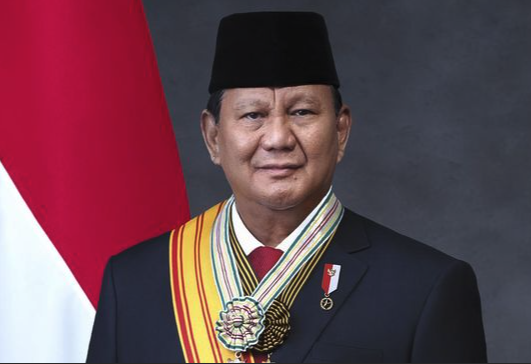
President Prabowo Subianto
The tension reflects a broader clash over enforceability and sovereignty. American officials have portrayed some Indonesian requests—such as making certain obligations less binding—as unacceptable, especially when compared with provisions Washington has sought in other regional arrangements. Indonesian officials, for their part, have described the negotiations as “routine” and focused on harmonizing language, pointing to continued high-level engagement, including talks involving U.S. Trade Representative Jamieson Greer.
For business, the most immediate impact of a finalized tariff arrangement would be clarity. Exporters and manufacturers typically plan production and shipping months ahead; even small changes in tariff rates can shift sourcing decisions, margins and contract pricing. The deal’s outline—tariff relief on Indonesian exports in exchange for wider opening to U.S. goods—has also been watched by multinational firms assessing whether Indonesia’s policy environment will become more predictable for long-horizon investment.
For travel and meetings industries, the implications are indirect but often real. When trade momentum improves, companies tend to expand sales trips, revive buyer-supplier visits, and send larger delegations to sector exhibitions—particularly in export-linked industries like apparel, consumer goods and components manufacturing. A smoother trade channel can also encourage bilateral business forums and government-backed commercial missions, which frequently translate into measurable demand for flights, hotels and convention space.
Whether that cycle takes hold will depend on the next round of diplomacy. Indonesia has signaled it will send negotiators back to Washington and insists it is still on track for completion. The United States, meanwhile, is signaling that the final text—and the credibility of commitments—will matter as much as the deadline.
Sources: Reuters