
BREAKING NEWS
BANGKOK — Thailand dissolved its parliament on Friday, ending a turbulent three-month premiership for Prime Minister Anutin Charnvirakul as the country confronts escalating violence along its Cambodian border and deepening political unrest at home.
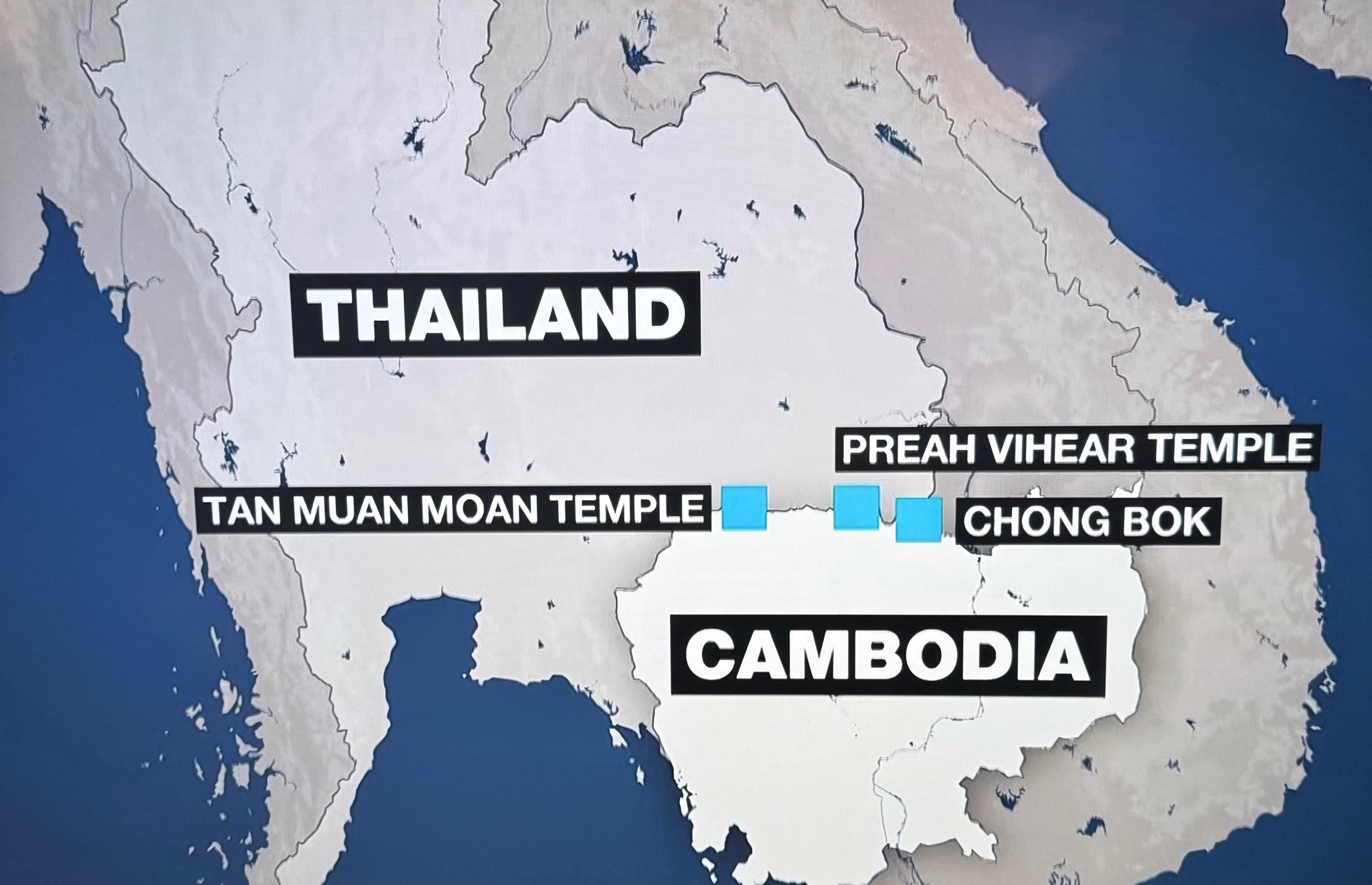
The move, announced in a royal decree endorsed by King Maha Vajiralongkorn, came after nearly a week of deadly cross-border clashes that have killed at least 20 people and displaced hundreds of thousands. The border hostilities, which Cambodian officials blame on Thai incursions near contested areas, have drawn international concern from ASEAN partners and quiet diplomatic appeals for de-escalation from the United States and the European Union, according to regional media.
In the decree, Mr. Anutin said his minority government had “executed every means” to manage Thailand’s growing crises, but that “stability” was no longer possible under the current political configuration.
A general election is expected within 45 to 60 days.
A Premiership Undone by Crisis and Coalition Fracture
Mr. Anutin — a business magnate and leader of the Bhumjaithai Party — is Thailand’s third prime minister since August 2023, governing a nation mired in legal rulings, leadership turnovers, and constitutional disputes. His administration had already faced intense criticism for its handling of catastrophic flooding in southern Thailand last month, which left at least 176 people dead and overwhelmed emergency response systems.
The decisive break came this week when the People’s Party, the country’s largest and most progressive political bloc, withdrew support from his minority coalition. The party accused Bhumjaithai of failing to honor key conditions of its earlier agreement — including initiating constitutional reforms and dissolving parliament within four months.
Thai media reported that the People’s Party had prepared a no-confidence motion set for Friday, which would likely have toppled the government. Mr. Anutin instead moved first, accelerating the dissolution he had originally promised by January.
International observers have noted that Thailand’s rapid succession of leaders — with two prime ministers removed by the courts over ethics violations — has eroded investor confidence and raised concerns among regional partners about the country’s political trajectory.
A Region on Edge
The renewed fighting with Cambodia marks the most significant escalation along the border in more than a decade. Cambodian officials publicly condemned what they described as Thai military aggression, while Thai defense authorities insisted they were responding to Cambodian artillery fire.
Humanitarian groups warn of deteriorating conditions in makeshift camps along both sides of the border, echoing concerns raised by the U.N. High Commissioner for Refugees.
ASEAN governments have so far issued cautious statements urging restraint, avoiding direct criticism of either side.
What Comes Next
Thailand now enters yet another election cycle overshadowed by uncertainty. With no clear frontrunner and parties sharply divided over constitutional reform, military influence, and foreign relations, analysts expect an intense campaign likely to shape the nation’s political landscape for years.
For now, the country remains governed by a caretaker administration as violence simmers at its frontier and political tensions deepen in Bangkok — a familiar but increasingly volatile pattern in Thai politics. (zai)